
The wheel loader, a ubiquitous presence on construction sites, in mines, and across various industries, is a powerhouse of efficiency and versatility. These machines, often seen effortlessly scooping, lifting, and transporting materials, represent a complex interplay of engineering and design. Understanding the intricacies of a wheel loader – from its fundamental components to its operational nuances – is crucial for anyone seeking to appreciate the vital role it plays in modern infrastructure and resource management. This exploration delves into the mechanics, applications, and operational considerations that define this essential piece of heavy machinery.
This comprehensive overview will examine the core elements that make a wheel loader function, including the engine, transmission, and hydraulic systems, and their integrated operation. It will also delve into how design choices influence performance, covering factors like maneuverability and bucket capacity. Furthermore, we’ll cover essential operational procedures and safety guidelines, alongside an examination of the various types of wheel loaders available and their applications. Finally, the importance of maintenance and upkeep in ensuring the longevity and optimal performance of these vital machines will be addressed.
What are the fundamental mechanical components that constitute a wheel loader and how do they work together?
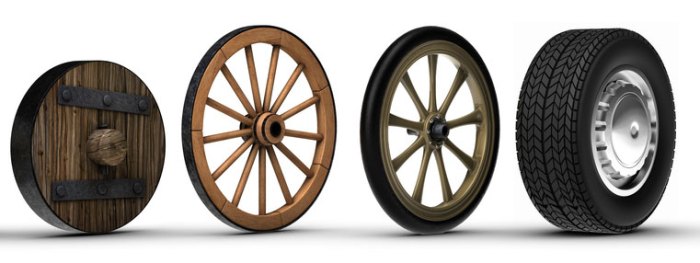
Wheel loaders, also known as front-end loaders, are essential pieces of heavy equipment used extensively in construction, mining, and agriculture. These machines are designed for moving and loading materials such as earth, rock, and aggregates. Their functionality relies on a complex interplay of mechanical components working in unison. Understanding these components and their functions is key to appreciating the wheel loader’s capabilities.
Engine, Transmission, and Hydraulic System Integration
The core of a wheel loader’s operation involves a coordinated effort between its engine, transmission, and hydraulic systems. The engine provides the initial power, which is then channeled through the transmission to the wheels, enabling movement. Simultaneously, the hydraulic system, powered by the engine, controls the loader’s bucket and steering mechanisms. This integrated design allows for efficient material handling and maneuverability.
Engine Types in Wheel Loaders
The choice of engine is crucial to a wheel loader’s performance. The engine type influences fuel efficiency, power output, and emissions.
Here’s a comparison of common engine types:
| Engine Type | Advantages | Disadvantages | Typical Applications |
|---|---|---|---|
| Diesel Engines | High torque, fuel efficiency, durability. | Higher initial cost, potentially higher emissions if not equipped with after-treatment systems. | Most wheel loader applications, particularly those requiring heavy lifting and sustained operation. |
| Gasoline Engines | Lower initial cost, easier starting in cold weather. | Lower fuel efficiency, less torque compared to diesel, not as durable. | Smaller wheel loaders or those used in lighter-duty applications. |
| Hybrid Engines (Diesel-Electric) | Improved fuel efficiency, reduced emissions, quieter operation. | Higher initial cost, complexity in maintenance. | Applications where emissions regulations are strict and fuel economy is a priority. |
| Electric Engines | Zero emissions, quiet operation, reduced maintenance. | Limited operating range, higher initial cost, reliance on charging infrastructure. | Indoor applications, or areas with strict emission regulations. |
Diesel engines are the most prevalent in wheel loaders due to their superior torque and fuel efficiency, critical for moving heavy loads. Gasoline engines are less common due to their limitations in power and efficiency, typically used in smaller machines. Hybrid engines offer a balance between performance and emissions reduction, while electric engines are gaining traction in specific applications where environmental concerns are paramount.
Hydraulic System Operation
The hydraulic system is the wheel loader’s muscle, enabling the bucket’s movement and steering. This system uses hydraulic fluid, pressurized by a pump driven by the engine, to actuate cylinders.
The bucket’s movement is controlled by hydraulic cylinders. For instance, when the operator engages the lift function, hydraulic fluid flows into the cylinders attached to the loader arms. This pressurized fluid extends the cylinders, raising the bucket. Conversely, when the operator activates the lower function, the fluid flow reverses, allowing the cylinders to retract and lower the bucket.
Steering is also hydraulically powered. Turning the steering wheel activates a hydraulic pump that sends fluid to cylinders connected to the front wheels. The pressure exerted by the fluid in these cylinders turns the wheels, enabling the loader to maneuver. The degree of turn is proportional to the operator’s steering input, providing precise control.
Transmission System and Torque Converters
The transmission system plays a vital role in transferring engine power to the wheels, enabling the wheel loader to move and handle heavy loads. This system typically includes a torque converter and a gearbox.
The torque converter acts as a fluid coupling between the engine and the transmission, multiplying the engine’s torque, especially at low speeds. This feature is crucial for starting and moving heavy loads without stalling the engine. For example, when the wheel loader is digging into a pile of material, the torque converter provides the necessary power to overcome the resistance and maintain forward motion.
The gearbox provides different gear ratios, allowing the wheel loader to operate at various speeds and with varying levels of force. Lower gears provide more torque for heavy lifting and digging, while higher gears allow for faster travel speeds. Modern wheel loaders often feature automatic transmissions, simplifying operation and optimizing performance. The selection of the correct gear is crucial for efficient operation. A wheel loader attempting to move a fully loaded bucket uphill in a high gear might stall, while using a low gear would provide the necessary torque to climb the incline effectively.
How does the design of a wheel loader influence its operational capabilities and suitability for different work environments?
Wheel loader design is a complex interplay of engineering decisions, each impacting the machine’s performance across various operational contexts. From the chassis geometry to the cab layout, every element contributes to its maneuverability, stability, and operator effectiveness. Understanding these design elements is crucial for selecting the right wheel loader for a specific task and maximizing its productivity and safety.
Maneuverability, Stability, and Loading Efficiency
A wheel loader’s ability to operate effectively is significantly influenced by its design parameters. The wheelbase, articulation angle, and bucket capacity are key factors that directly impact its performance in terms of maneuverability, stability, and loading efficiency.
The wheelbase, the distance between the front and rear axles, affects both stability and turning radius. A longer wheelbase generally provides greater stability, especially when carrying heavy loads. However, it can compromise maneuverability, making it more difficult to navigate tight spaces. Conversely, a shorter wheelbase enhances maneuverability but may reduce stability, particularly on uneven terrain or during uphill loading. The optimal wheelbase is therefore a compromise, depending on the typical work environment. For instance, wheel loaders operating in confined urban construction sites often have shorter wheelbases compared to those used in open-pit mining.
The articulation angle, the maximum angle at which the front and rear sections of the loader can pivot relative to each other, directly affects maneuverability. A larger articulation angle allows for a tighter turning radius, making the loader more agile in confined areas. Common articulation angles range from 30 to 45 degrees. Loaders with higher articulation angles are preferred in areas where space is limited, such as warehouses or congested construction sites.
Bucket capacity, measured in cubic yards or cubic meters, dictates the volume of material a wheel loader can handle per cycle. A larger bucket increases loading efficiency by reducing the number of passes required to move a given quantity of material. However, it also increases the load on the machine, affecting stability and requiring a more powerful engine and robust chassis. The selection of bucket capacity is, therefore, tied to the density of the material being handled. For example, a loader moving light materials like mulch or wood chips can utilize a larger bucket compared to one handling dense materials like rocks or gravel. The right bucket size ensures that the loader’s engine is not overstressed and that the machine remains stable.
Bucket Design and Applications
Bucket design is crucial for optimizing a wheel loader’s performance in specific applications. Different bucket types are engineered to handle various materials and work environments. The choice of bucket directly impacts loading efficiency, material handling, and overall productivity.
- General Purpose Buckets: These are the most common type, designed for versatility. They are suitable for handling a wide range of materials, including soil, sand, gravel, and general construction debris. General-purpose buckets typically have a robust design to withstand the wear and tear of everyday use.
- Rock Buckets: Built for durability, rock buckets are reinforced to handle abrasive and heavy materials. They feature thicker steel construction, reinforced cutting edges, and sometimes include wear plates to protect against abrasion. Rock buckets are commonly used in quarries, mining operations, and demolition projects.
- Light Material Buckets: These buckets are designed with a larger capacity and lighter construction to handle low-density materials efficiently. They are often used for moving materials such as mulch, wood chips, snow, and agricultural products. The larger capacity allows for faster loading cycles when handling these materials.
Cab Design and Operator Performance
The design of a wheel loader’s cab significantly impacts the operator’s performance, safety, and overall comfort. Features such as visibility, ergonomics, and climate control directly influence an operator’s ability to work efficiently and safely throughout the day.
Visibility is a critical aspect of cab design. Large windows, strategically positioned pillars, and sometimes even curved glass designs maximize the operator’s view of the surroundings and the bucket. This enhanced visibility is essential for precise loading, avoiding obstacles, and ensuring site safety. The placement of mirrors and the inclusion of rearview cameras further improve visibility, especially when maneuvering in tight spaces or reversing.
Ergonomics plays a key role in operator comfort and reduces fatigue. The cab should offer an adjustable seat with good lumbar support, easily accessible controls, and a well-designed dashboard. The layout of the controls should be intuitive, allowing the operator to quickly and efficiently operate the machine. Reduced fatigue leads to improved focus and a decrease in the likelihood of errors or accidents.
Climate control, including heating and air conditioning, is essential for operator comfort, especially in extreme weather conditions. A comfortable operator is more alert and productive, regardless of the environmental temperature. The cab’s design should also minimize noise and vibration, further contributing to operator comfort and well-being.
Terrain and Material Considerations
Selecting a wheel loader involves careful consideration of the terrain and the nature of the materials being handled. The machine’s design must be appropriate for the specific environment and the demands of the task.
The type of terrain significantly influences the choice of wheel loader. For example, wheel loaders operating on soft or uneven terrain may benefit from features like larger tires, limited-slip differentials, or even a specialized undercarriage to improve traction and stability. For operations on hard, paved surfaces, the choice of tire type becomes less critical, and the focus shifts to other performance characteristics like maneuverability and loading speed.
The nature of the materials being handled also dictates the appropriate wheel loader design. Handling dense, abrasive materials like rocks or ore requires a machine with a robust chassis, a powerful engine, and a durable bucket. Conversely, handling lighter materials like mulch or snow might require a loader with a larger bucket capacity and a focus on fuel efficiency. The material’s density and abrasiveness directly impact the selection of the loader’s components, including the engine, hydraulics, and bucket design. Considering the material’s characteristics ensures that the wheel loader is appropriately equipped for the task at hand, maximizing efficiency and minimizing wear and tear.
What are the standard operational procedures for safely operating a wheel loader, and what are the potential hazards?
Wheel loader operation demands strict adherence to safety protocols to mitigate risks and ensure the well-being of the operator and surrounding personnel. This involves a multifaceted approach, encompassing pre-operational checks, adherence to operating guidelines, and awareness of potential hazards. Ignoring these procedures can lead to serious accidents, including rollovers, collisions, and injuries from falling objects.
Pre-Operational Checks
Before starting a wheel loader, a thorough inspection is critical. This inspection helps identify potential mechanical issues that could compromise safety during operation. These checks should be performed systematically.
* Tire Inspection: Examine tires for proper inflation, cuts, and wear. Under-inflated tires can reduce stability, while damaged tires can lead to blowouts.
* Fluid Levels: Verify the levels of engine oil, coolant, hydraulic fluid, and fuel. Low fluid levels can cause engine damage or operational failure.
* Brake System: Test the service brakes and parking brake to ensure they function correctly. Ineffective brakes can lead to accidents.
* Steering System: Check the steering for smooth operation and responsiveness. A malfunctioning steering system can make the machine difficult to control.
* Lights and Signals: Inspect all lights (headlights, taillights, turn signals) and the horn to ensure they are working. These are crucial for visibility and communication.
* Bucket and Attachments: Examine the bucket and any attachments for damage, wear, and proper connection. A damaged or improperly attached bucket can detach during operation.
* Safety Devices: Confirm that the seat belt, backup alarm, and any other safety devices are in good working order.
* Visual Inspection: Look for any leaks, loose components, or other signs of damage.
These checks are not exhaustive but represent the minimum requirements for a safe start. The operator’s manual should be consulted for a complete checklist specific to the wheel loader model. A pre-operational check ensures the wheel loader is in a safe and operational condition, minimizing the risk of accidents.
Safety Guidelines
Adhering to safety guidelines is essential for preventing accidents during wheel loader operations. These guidelines cover various aspects of operation, from loading and unloading to traveling and working on slopes.
* Loading:
* Load the bucket evenly to maintain stability.
* Avoid overloading the bucket, as this can affect the machine’s center of gravity and braking distance.
* Keep the bucket low to the ground when traveling with a load to improve stability and visibility.
* Unloading:
* Position the wheel loader on level ground when unloading.
* Raise the bucket to the appropriate height for dumping.
* Control the dumping speed to prevent material spillage and maintain stability.
* Traveling:
* Wear a seat belt at all times.
* Travel at a safe speed, appropriate for the conditions.
* Be aware of overhead obstacles and power lines.
* Use the horn to signal your presence, especially at blind spots.
* Working on Slopes:
* Avoid operating on excessively steep slopes.
* Travel up and down slopes, not across them, to minimize the risk of tipping.
* Keep the bucket low to the ground when traveling on slopes.
* If the machine starts to tip, steer downhill and lower the bucket to the ground.
* General Safety:
* Never allow passengers on the wheel loader.
* Be aware of pedestrians and other workers in the area.
* Follow all site-specific safety regulations.
* Report any unsafe conditions to the supervisor immediately.
Common Hazards and Preventive Measures
Wheel loader operations present several hazards, and understanding these risks is crucial for preventing accidents. Implementing preventive measures can significantly reduce the likelihood of incidents.
* Rollovers:
* Cause: Uneven loading, operating on steep slopes, excessive speed, and turning too sharply.
* Preventive Measures: Load the bucket evenly, avoid operating on excessively steep slopes, travel at a safe speed, and turn gradually.
* Tip-overs:
* Cause: Overloading the bucket, operating on uneven ground, and improper weight distribution.
* Preventive Measures: Do not overload the bucket, operate on level ground, and ensure proper weight distribution.
* Being Struck by Objects:
* Cause: Falling materials, contact with overhead obstacles, and collisions with other vehicles or equipment.
* Preventive Measures: Be aware of the surroundings, keep the bucket low when traveling, and use the horn to signal your presence.
* Crushing:
* Cause: Contact with the bucket or other parts of the machine, or being caught between the machine and another object.
* Preventive Measures: Stay clear of the machine’s moving parts, and never position yourself between the machine and another object.
* Preventive Measures:
* Training: Proper training is paramount. Operators must be trained on the specific model of wheel loader they will be operating, including all safety features and operational procedures. This should include both classroom instruction and hands-on practice under the supervision of a qualified instructor.
* Regular Maintenance: Implement a comprehensive maintenance schedule, including regular inspections, fluid changes, and component replacements. This helps to prevent mechanical failures that could lead to accidents.
* Site Management: Ensure that the work site is well-maintained, with clear traffic patterns, adequate lighting, and hazard warnings. Establish and enforce clear communication protocols.
By understanding the hazards and implementing the preventive measures, the risk of accidents can be significantly reduced, promoting a safer working environment.
What are the different types of wheel loaders available, and what are their specific applications across various industries?

Wheel loaders, versatile workhorses of the construction and industrial sectors, come in a variety of sizes and configurations, each tailored to specific tasks and environments. Understanding the distinctions between these types is crucial for optimizing efficiency and ensuring the right machine is deployed for the job. This section explores the different classifications of wheel loaders and their applications across diverse industries.
Wheel Loader Classifications and Operational Capabilities
Wheel loaders are broadly categorized by size, which directly influences their power output and operational capabilities. These classifications generally include compact, small, and large wheel loaders.
Compact wheel loaders, typically ranging from 50 to 75 horsepower, are designed for maneuverability in confined spaces. They often feature articulated steering, allowing for tight turning radiuses. Their operational capabilities are suited for light-duty tasks, such as material handling on landscaping projects, small-scale construction sites, and agricultural applications. They are highly valued for their ability to navigate areas inaccessible to larger machines.
Small wheel loaders, with power outputs generally between 75 and 150 horsepower, represent a step up in terms of both power and capacity. These loaders are frequently employed in construction, handling tasks like loading and unloading materials, site preparation, and general earthmoving. Their increased lifting capacity and reach allow them to work efficiently on a broader range of projects.
Large wheel loaders, boasting power outputs exceeding 150 horsepower, are the workhorses of large-scale construction, mining, and quarrying operations. They are built for heavy-duty tasks, including moving massive amounts of earth, loading trucks with aggregate, and handling large stockpiles of materials. Their robust construction and high lifting capacity enable them to perform demanding tasks continuously. These machines often incorporate advanced features like automatic transmission and sophisticated hydraulic systems to maximize productivity.
Wheel Loader Applications Across Industries
Wheel loaders’ versatility makes them indispensable in various industries, each utilizing them for specific applications.
In construction, wheel loaders are utilized for tasks such as moving earth, loading trucks with materials like gravel and sand, and clearing debris from construction sites. Their ability to handle a variety of materials and navigate around obstacles makes them a vital asset on any construction project. For example, a mid-sized wheel loader might be employed on a residential construction site for backfilling trenches or spreading topsoil.
In mining, large wheel loaders are used to load extracted materials, such as coal or ore, into haul trucks for transport. Their high lifting capacity and robust construction are essential for handling the heavy loads and operating in the demanding environments typical of mining operations. The use of wheel loaders in mining significantly increases efficiency in material handling and reduces downtime.
In agriculture, wheel loaders facilitate tasks such as moving feed and fertilizer, clearing fields, and loading and unloading hay bales. Their maneuverability and ability to handle uneven terrain make them suitable for a variety of agricultural applications. Compact wheel loaders are particularly well-suited for use in barns and other confined spaces.
In waste management, wheel loaders are used to move and compact waste materials in landfills and recycling facilities. Their robust design and powerful engines enable them to handle the harsh conditions and heavy loads associated with waste management operations. The loaders’ ability to quickly move and compact materials helps maintain efficient operations and maximizes landfill space.
Specialized Attachments and Versatility
The versatility of wheel loaders is further enhanced by a range of specialized attachments, allowing them to perform a wider array of tasks.
Forks are a common attachment, used for lifting and transporting pallets, lumber, and other materials. Grapples are utilized for handling bulky or irregularly shaped objects, such as logs, debris, or demolition materials. Snow plows, mounted on the front of the loader, enable the machine to clear snow from roads, parking lots, and other areas. These attachments significantly increase the operational flexibility of wheel loaders, allowing them to adapt to changing project requirements and seasonal demands. The ease with which these attachments can be swapped out adds to the overall productivity of the machine.
Wheeled Loaders versus Tracked Loaders
The choice between wheeled and tracked loaders depends on the specific application and environment.
| Feature | Wheeled Loaders | Tracked Loaders | Benefits for Wheeled Loaders | Benefits for Tracked Loaders |
|---|---|---|---|---|
| Mobility | High mobility on paved surfaces; faster travel speeds | Superior traction and stability on soft or uneven terrain; lower ground pressure | Faster travel times between job sites; reduced fuel consumption on smooth surfaces | Ability to operate in muddy or sandy conditions; reduced ground disturbance |
| Maneuverability | Good maneuverability, especially with articulated steering | Limited maneuverability; less suitable for tight spaces | Easier to operate in confined areas; quicker turns | Ideal for applications where ground disturbance must be minimized, such as landscaping |
| Ground Pressure | Higher ground pressure; may damage sensitive surfaces | Lower ground pressure; less impact on the environment | Suited for projects where ground conditions are firm | Ideal for working on sensitive surfaces, such as lawns or freshly paved roads |
| Maintenance | Generally lower maintenance costs | Higher maintenance costs; track replacement can be expensive | Simpler design; fewer moving parts | Better suited for challenging terrains that can cause tire damage |
How do maintenance and regular upkeep contribute to the longevity and performance of a wheel loader?
Regular maintenance and upkeep are crucial for maximizing the lifespan and operational efficiency of a wheel loader. A well-maintained machine experiences fewer breakdowns, operates more reliably, and retains a higher resale value. Implementing a proactive maintenance schedule not only reduces downtime but also enhances safety by preventing potential component failures that could lead to accidents.
Essential Maintenance Tasks
Operators and maintenance personnel must adhere to a rigorous maintenance schedule to ensure optimal wheel loader performance. This schedule encompasses several critical tasks.
- Engine Oil Changes: Regular engine oil changes are paramount. The oil lubricates the engine’s moving parts, reducing friction and wear. The frequency of oil changes depends on the operating environment and the type of oil used, but typically, oil should be changed every 250 to 500 operating hours. Using the correct type of oil, as specified by the manufacturer, is crucial for optimal engine performance and longevity.
- Filter Replacements: Filters play a vital role in protecting the engine and hydraulic system from contaminants. Air filters, oil filters, fuel filters, and hydraulic filters must be replaced at regular intervals. Clogged filters restrict airflow and fluid flow, leading to reduced performance and potential component damage. Following the manufacturer’s recommendations for filter replacement intervals is essential. For example, a wheel loader operating in a dusty environment might require more frequent air filter replacements compared to one operating in a cleaner environment.
- Lubrication Schedules: Proper lubrication is essential for reducing friction and wear in moving components. This includes greasing pivot points, pins, and bushings. The frequency of lubrication depends on the specific component and the operating conditions. A well-lubricated machine operates smoothly and efficiently. Lubrication points are often indicated by grease fittings, and a grease gun is used to inject lubricant into these fittings.
- Cooling System Checks: Maintaining the cooling system is critical to prevent engine overheating. This involves checking the coolant level, inspecting the radiator for leaks and debris, and ensuring the fan is functioning correctly. Overheating can cause significant engine damage. The coolant should be changed at the intervals specified by the manufacturer, usually every two years or a specific number of operating hours.
- Tire Inspection and Maintenance: Wheel loaders rely on their tires for traction and stability. Regular inspection of tire pressure, tread wear, and any signs of damage is essential. Under-inflated tires can lead to increased fuel consumption and tire wear, while over-inflated tires can reduce traction. Maintaining proper tire pressure and replacing worn or damaged tires promptly is crucial for safety and performance.
Critical Components Prone to Wear and Tear and Monitoring Methods
Several wheel loader components are subject to significant wear and tear, necessitating close monitoring. Early detection of wear can prevent costly repairs and downtime.
- Engine: The engine is the heart of the wheel loader, and its condition significantly impacts performance. Monitoring includes checking for unusual noises, smoke, and loss of power. Regular oil analysis can detect contaminants and wear particles, providing insights into the engine’s internal condition.
- Hydraulic System: The hydraulic system powers the loader’s lifting and tilting functions. Leaks, slow operation, and unusual noises can indicate problems. Regular inspection of hydraulic hoses, fittings, and cylinders is essential. Hydraulic oil analysis can also detect contaminants and wear particles.
- Transmission: The transmission transfers power from the engine to the wheels. Slipping, difficulty shifting gears, and unusual noises can indicate transmission problems. Regular fluid level checks and fluid changes are crucial.
- Brakes: The brakes are critical for safety. Checking brake performance and inspecting brake pads and rotors regularly is essential. Any signs of reduced braking efficiency should be addressed immediately.
- Articulation Joint: The articulation joint allows the wheel loader to turn. Checking for excessive play, grease leaks, and unusual noises is crucial. Regular lubrication is essential to maintain the joint’s integrity.
Troubleshooting Common Problems
Identifying and addressing common problems quickly can minimize downtime. A systematic approach to troubleshooting is essential.
- Engine Starting Issues: If the engine won’t start, check the battery, fuel supply, and starter motor. Ensure the battery terminals are clean and tight. Check the fuel filter for clogs. Listen for the starter motor to engage.
- Hydraulic Leaks: Hydraulic leaks can result in loss of power and reduced efficiency. Locate the source of the leak and inspect hoses, fittings, and cylinders. Tighten loose fittings or replace damaged components.
- Transmission Failures: Transmission problems can manifest as slipping, difficulty shifting gears, or unusual noises. Check the transmission fluid level and condition. Consult the service manual for troubleshooting steps.
- Loss of Power: A loss of power can be caused by various issues, including fuel supply problems, air filter restrictions, or engine component failures. Check the fuel filter, air filter, and engine oil.
Step-by-Step Procedure for a Basic Inspection
A basic inspection performed before each shift can identify potential problems early. This helps to prevent accidents and extend the life of the machine.
- Tires: Check tire pressure, tread wear, and for any signs of damage, such as cuts or bulges.
- Lights: Verify that all lights, including headlights, taillights, turn signals, and work lights, are functioning correctly.
- Fluid Levels: Check engine oil, coolant, hydraulic fluid, and transmission fluid levels.
- Leaks: Inspect for any fluid leaks under the machine.
- Controls: Ensure that all controls, including the steering wheel, brakes, and loader controls, are functioning correctly.
- Safety Devices: Verify that the seatbelt, backup alarm, and other safety devices are in good working order.
- Articulation Joint: Inspect the articulation joint for any signs of play or grease leaks.
Closing Summary
In conclusion, the wheel loader stands as a testament to engineering ingenuity, a machine that blends power, precision, and adaptability. From its intricate internal mechanisms to its diverse applications across industries, the wheel loader exemplifies the advancements in heavy equipment. Understanding the operational procedures, the types available, and the importance of maintenance, ensures that this versatile machine continues to drive progress. Whether in construction, mining, or agriculture, the wheel loader remains an indispensable asset, shaping landscapes and facilitating the movement of materials with remarkable efficiency. Its ongoing evolution promises continued advancements, further solidifying its critical role in the world.
