
The Japanese succulent pot aesthetic blends the enduring appeal of succulents with the meticulous artistry of Japanese design principles. This approach transcends a simple arrangement; it’s a thoughtful expression of nature’s beauty, distilled through the lens of minimalist aesthetics. From the selection of specific plant species to the careful curation of accessories, every element contributes to a harmonious whole.
This exploration delves into the core principles underpinning this aesthetic, examining the materials, design philosophies, and cultural influences that shape its unique character. We’ll uncover the key elements that distinguish it from other succulent pot styles, offering insights into plant selection, arrangement, and the crucial role of color palettes and textures in achieving a truly immersive experience.
Defining the Aesthetic
The Japanese succulent pot aesthetic, a captivating blend of minimalism and natural beauty, is gaining traction globally. This style transcends mere plant display; it embodies a philosophy of harmony, tranquility, and appreciation for the subtle nuances of nature. The aesthetic often emphasizes simplicity, highlighting the intrinsic elegance of the succulent itself rather than elaborate designs.This aesthetic isn’t simply about arranging plants; it’s about creating a serene atmosphere that reflects the Japanese concept of侘び寂び (wabi-sabi)* – the beauty of imperfection, impermanence, and the acceptance of natural processes.
This approach translates to a mindful selection of materials, shapes, and colors that resonate with the essence of the succulents.
Core Principles and Philosophies
The aesthetic draws heavily on the Japanese concept of
- wabi-sabi*, emphasizing the beauty of natural, unrefined forms. The focus is on the inherent beauty of imperfection and the transient nature of life, mirroring the natural cycle of growth and decay found in succulents. This appreciation for impermanence is intertwined with a deep respect for nature and a desire to live in harmony with it. The aesthetic also embodies
- shibui*, which conveys a sense of quiet elegance and restraint in design, often achieved through muted tones and simple shapes.
Visual Elements
Common visual elements in this aesthetic include:* Natural Materials: Earthenware pots, weathered wood, and natural stone are frequently used, emphasizing the connection to the earth and the organic beauty of the succulents. The material’s natural imperfections are embraced rather than concealed.* Muted Color Palettes: Subtle shades of gray, beige, brown, and muted greens are prevalent, reflecting the calmness and tranquility often associated with Japanese aesthetics.
These colors harmonize with the natural tones of the succulents.* Simple Shapes and Forms: The forms of the pots and the arrangement are often minimalist, avoiding elaborate or overly ornate designs. Straight lines and geometric shapes are favored, allowing the succulents to take center stage.* Emphasis on Texture: The tactile qualities of the chosen materials, such as the rough texture of weathered wood or the smooth surface of polished stone, are emphasized.
These textures complement the varied textures of the succulents themselves.
Historical and Cultural Influences
The aesthetic draws inspiration from centuries-old Japanese traditions, particularly the appreciation for natural beauty and simplicity. The concept ofwabi-sabi*, a philosophy emphasizing the beauty of imperfection and impermanence, is a cornerstone of this style. Traditional Japanese gardens, with their minimalist designs and focus on natural elements, provide a historical precedent for the succulent pot aesthetic.
Distinguishing Characteristics
Key characteristics that distinguish the Japanese succulent pot aesthetic from other styles include:* Emphasis on natural materials and muted color palettes: This sets it apart from styles that favor bright colors and elaborate decorations.* Embrace of imperfection and natural forms: The style contrasts with styles that prioritize perfect symmetry and uniformity.* Focus on tranquility and mindfulness: This differentiates it from styles emphasizing vibrant energy and bold statements.* Minimalist design and serene atmosphere: This distinguishes it from more elaborate or over-the-top styles.
Key Elements and Materials
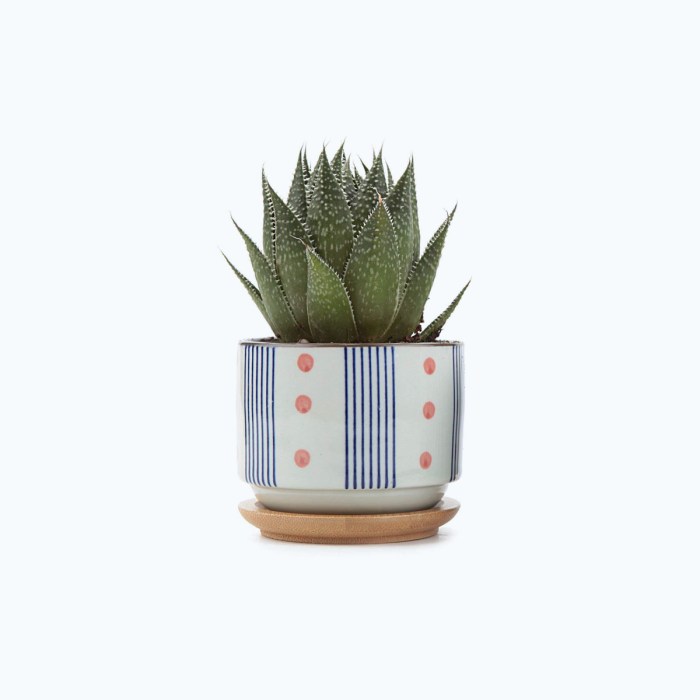
The Japanese succulent pot aesthetic, rooted in centuries of tradition, prioritizes understated elegance and harmony with nature. This meticulous approach extends to the selection of materials, shaping the pot’s form, and influencing the overall visual narrative. The careful consideration of these elements speaks volumes about the cultural values inherent in this aesthetic.The core principle underpinning Japanese succulent pots is the use of natural materials.
This commitment to authenticity and sustainability resonates with the broader environmental consciousness of contemporary design. The aesthetic’s inherent simplicity and refined aesthetic often rely on the natural beauty of the materials themselves, highlighting their inherent textures and colors without elaborate ornamentation.
Materials Used in Japanese Succulent Pots
A wide array of natural materials are employed in crafting these pots, each contributing to the distinctive character of the aesthetic. Ceramic, often glazed or unglazed, remains a dominant material. Wood, in its various forms, adds a touch of rustic warmth and natural beauty. Stone, especially in its polished forms, adds an element of grounded strength and tranquility.
These materials are frequently combined to create unique and evocative pieces.
Significance of Natural Materials
The use of natural materials in Japanese succulent pots is deeply intertwined with the aesthetic’s philosophy of harmony with nature. This connection is emphasized through the selection of materials that evoke a sense of natural beauty, from the subtle nuances of wood grain to the smooth polish of stone. The emphasis on natural materials fosters a sense of serenity and tranquility, aligning the pot with the broader aesthetic principles of Japanese design.
Comparison of Pottery Types
Various types of pottery are utilized, each with its own unique characteristics. Earthenware, known for its porosity and rustic charm, often lends a warmer, more approachable aesthetic. Stoneware, with its denser structure and often smoother finish, contributes a sense of solidity and refinement. Glazed pottery offers a spectrum of colors and textures, enhancing the pot’s visual appeal.
The choice of pottery type directly influences the final aesthetic impression, reflecting the intended mood and character of the piece.
Common Shapes and Forms
The shapes and forms of Japanese succulent pots are as diverse as the materials used. Cylindrical pots offer a clean, minimalist aesthetic, while shallow bowls create a sense of openness and tranquility. Irregular shapes, often inspired by natural forms, add a touch of organic dynamism. The selection of shape complements the plant’s character and emphasizes the harmony between the pot and the succulent.
- Cylindrical forms often evoke a sense of understated elegance and simplicity, mirroring the minimalist ethos of Japanese design. These forms are well-suited for succulents that thrive in contained environments, showcasing the plants’ unique shapes and textures.
- Shallow bowls, with their open designs, create a feeling of serenity and tranquility, allowing the succulent’s natural beauty to shine. This design choice promotes a sense of visual openness, creating a sense of connection with the surrounding environment.
- Irregular shapes, inspired by natural forms, bring an organic dynamism to the aesthetic. These pots embrace the natural variation and asymmetry of nature, enhancing the piece’s overall character and appeal.
Material-Aesthetic Relationship Table
Design Principles and Composition
The Japanese succulent pot aesthetic, deeply rooted in Zen principles, emphasizes a harmonious balance between form and function. This minimalist approach, prioritizing simplicity and natural beauty, creates a tranquil and aesthetically pleasing display. The design choices are not arbitrary; they are meticulously considered to evoke a sense of serenity and connection with nature.The core principles of minimalist design, crucial in this aesthetic, hinge on intentional selection.
Each element within the composition, from the pot to the succulent, contributes to the overall visual narrative. This careful curation, paired with an appreciation for negative space, allows the beauty of the plants to shine.
Minimalist Design Principles
This aesthetic embraces the power of less is more. Redundancy and clutter are strictly avoided. Only essential elements are incorporated, focusing on the natural forms and textures of the succulents and their containers. A well-executed minimalist design distills the essence of the subject, revealing its intrinsic beauty. This intentional selection of materials and elements is paramount.
Negative Space and Visual Harmony
Negative space, the empty area around the succulent, plays a vital role in this aesthetic. It provides breathing room, allowing the plants to stand out and facilitating a visual connection between the viewer and the natural world. Properly utilized negative space prevents visual chaos and enhances the sense of serenity, a key component of the Japanese aesthetic. An abundance of negative space in the composition balances the forms of the succulents, guiding the eye to appreciate the inherent elegance of the natural world.
Successful Composition Examples
Successful compositions in this style typically feature a single, well-placed succulent in a carefully chosen pot. The colour palette is often muted, drawing inspiration from nature’s colour scheme, with earthy tones and subtle greens. For instance, a single jade plant nestled in a simple, dark-grey ceramic pot, with a light gravel base, provides a calming focal point. Another example might be a grouping of different succulents with varying textures, yet still unified by a common colour palette, positioned on a low wooden platform or tray.
The key is to maintain a sense of order and tranquility.
Integrating Natural Elements
The integration of natural elements is paramount. The use of natural materials, such as wood, stone, and unpolished clay, complements the succulents and enhances the connection to the natural world. Incorporating elements like small, decorative stones or pebbles, arranged strategically to create a natural look, further enhances the harmony. Even the light source used, whether natural or artificial, should be carefully considered to enhance the mood and ambiance.
Display Layout for a Small Area
A small display area, ideally around 2 square feet, can be effectively designed to showcase this aesthetic.
| Zone | Elements | Description |
|---|---|---|
| Focal Point | Single, prominent succulent (e.g., jade plant, echeveria) | Centered in a visually appealing pot (e.g., dark-grey ceramic). |
| Background | Natural stones or pebbles | Arranged to create a sense of depth and texture. |
| Accent | Small, natural wood tray or platform | Provides a subtle contrast to the succulents. |
| Negative Space | Strategic empty space | Allows the focal point to stand out and create a sense of tranquility. |
This layout ensures that each element contributes to the overall visual harmony and allows the natural beauty of the succulents to shine. The selection of materials should reflect the minimalist approach, prioritizing simplicity and natural forms.
Plant Selection and Arrangement
Cultivating a Japanese succulent pot aesthetic hinges on meticulous plant selection and arrangement. The right species, strategically placed within the container, breathes life into the minimalist design, creating a visually compelling and harmonious composition. Careful consideration of these elements elevates the pot from a simple vessel to a miniature, living artwork.
Suitable Succulent Species
A diverse range of succulents can embody the Japanese aesthetic. Species with rosette formations, such as Echeveria, Sedum, and Haworthia, lend themselves beautifully to the aesthetic’s emphasis on clean lines and geometric shapes. Their varied textures and subtle color palettes – from deep greens to soft pinks and purples – contribute to the overall visual richness.
Other options include Graptopetalum, Pachyphytum, and Aeonium, each offering distinct visual interest. Ultimately, the best choice depends on the desired effect and the available space within the pot.
Importance of Plant Selection
Selecting succulents that complement each other in size, shape, and color is paramount. A carefully curated selection establishes a sense of visual harmony and prevents the pot from feeling overcrowded or chaotic. The varied textures and subtle color palettes of different succulent species, ranging from deep greens to soft pinks and purples, enhance the visual richness and appeal of the pot.
Consider the pot’s size and the overall design concept when making your choices. For instance, a larger pot might accommodate a wider variety of species, while a smaller one might benefit from a more restrained, focused arrangement.
Methods of Arranging Plants
Strategic placement is crucial for achieving the desired aesthetic. Grouping plants of similar shapes and sizes can create visual interest. Alternating heights and textures adds depth and dimension. Employing a tiered arrangement, with succulents of varying heights positioned in layers, creates a visually compelling cascade. Using natural elements like pebbles or small rocks to separate the plants, while also adding visual interest, is also a common technique.
Creating Balance and Harmony
Achieving a sense of balance and harmony in the arrangement requires careful consideration of the negative space between plants. This involves spacing plants thoughtfully to avoid overcrowding. The focal point of the composition should be clearly defined, drawing the eye to the most visually arresting part of the arrangement. Employing symmetry or asymmetry can create a sense of visual equilibrium, depending on the desired effect.
The overall composition should ideally evoke a sense of serenity and tranquility, mirroring the principles of Japanese aesthetics.
Plant Maintenance Techniques
Consistent and appropriate care is vital for maintaining the health and vibrancy of the succulents. Watering should be done sparingly, allowing the soil to dry completely between waterings. Overwatering can lead to root rot and subsequent plant death. Using well-draining soil is crucial for preventing waterlogging. Regular inspection for pests and diseases is essential.
Identifying and addressing any issues promptly can prevent them from spreading and causing significant damage. Appropriate light exposure is also crucial for optimal growth. By adhering to these maintenance techniques, the plants can thrive and continue to contribute to the beauty of the arrangement.
Color Palette and Texture
The Japanese succulent pot aesthetic, rooted in a deep appreciation for nature’s quiet beauty, leans heavily on a restrained and harmonious color palette. This understated approach, often contrasting with bolder styles, creates a tranquil and calming atmosphere, perfectly complementing the minimalist forms frequently seen in these designs.This aesthetic prioritizes natural tones and subtle variations, emphasizing the beauty of the plants themselves rather than overwhelming them with vibrant colors.
The choice of colors directly influences the mood and ambiance of the space where the pots are displayed. Textures play an equally important role, adding depth and visual interest to the otherwise minimalist designs.
Typical Color Palette
The color palette commonly employed in Japanese succulent pot aesthetics is largely comprised of earthy tones. Muted greens, soft browns, and various shades of gray are frequent choices. These hues evoke a sense of serenity and connection to nature. White and cream colors also feature prominently, often used to highlight the plants or provide a neutral backdrop.
A carefully chosen accent color, such as a muted blush pink or a soft sage green, can add a touch of sophistication without detracting from the overall calm.
Significance of Color Combinations
Color combinations in this aesthetic are meticulously chosen to create a specific mood and ambiance. For instance, pairing muted greens with soft grays can evoke a sense of tranquility and peace, while a combination of warm browns and creams can suggest warmth and coziness. Color combinations are more than just aesthetics; they are a crucial element in conveying a specific feeling.
The subtle nuances in color variations are pivotal to conveying the intended mood.
Texture’s Contribution to Visual Appeal
Textures in this aesthetic are crucial for adding depth and visual interest to the otherwise minimalist designs. The natural textures of the plants themselves, from the smooth, succulent leaves to the slightly rough bark of some pots, are often highlighted rather than concealed. The addition of contrasting textures, such as the smooth glaze on a ceramic pot against the rough, natural texture of a stone base, further enhances the visual appeal.
Natural fibers like rattan or bamboo in the pot holders can also add visual interest and warmth.
Interaction of Color and Texture with Materials
The choice of materials directly influences how color and texture are perceived. For example, the smooth, glazed surface of a ceramic pot can beautifully reflect the soft greens of the succulents, while the rough, natural texture of a wooden pot can enhance the warmth of earthy tones. The interplay of color, texture, and material is what creates the harmonious and tranquil aesthetic.
Table of Color Combinations and Their Effects
| Color Combination | Mood | Effect |
|---|---|---|
| Muted Greens & Soft Grays | Tranquil, Peaceful | Creates a serene and calming atmosphere |
| Warm Browns & Creams | Cozy, Warm | Evokes a sense of comfort and relaxation |
| Muted Greens & White | Clean, Fresh | Highlights the plants and creates a bright, airy feel |
| Soft Sage Green & Muted Blush Pink | Sophisticated, Elegant | Adds a touch of refined elegance without being overwhelming |
Accessories and Decor
The Japanese succulent pot aesthetic, often minimalist and serene, hinges on carefully chosen accessories to elevate the overall ambiance. These elements, though small, play a crucial role in defining the scene and creating a sense of harmony and balance within the space. This delicate approach ensures that the plants themselves remain the focal point, not overshadowed by over-the-top embellishments.Accessories in this style are not merely decorative; they contribute to the overall narrative and underscore the principles of simplicity and refined elegance.
The selection and placement of these items are as critical as the choice of plants and pots themselves.
Common Accessories
Accessories, including ceramic figurines, miniature bridges, and delicate lanterns, are common choices for enhancing the aesthetic. These elements contribute to the overall narrative and underscore the principles of simplicity and refined elegance. The selection and placement of these items are as critical as the choice of plants and pots themselves.
- Ceramic figurines: Small, intricately designed ceramic figurines, often depicting traditional Japanese motifs like koi fish, cranes, or blossoming flowers, add a touch of cultural richness. They evoke a sense of serenity and tranquility, aligning with the aesthetic’s focus on natural beauty and understated sophistication. A subtle ceramic fox figurine, for example, might be placed beside a grouping of succulents in a muted color palette.
- Miniature bridges and landscapes: Miniature bridges or meticulously crafted miniature landscapes, often in a single pot, can provide a tranquil focal point within the arrangement. These miniature worlds add depth and visual interest without overwhelming the succulent display. The delicate artistry of these miniature elements underscores the Japanese aesthetic’s appreciation for craftsmanship and detail.
- Lanterns: Small, decorative lanterns, crafted from materials like ceramic or metal, can cast warm, ambient light and add a touch of ethereal charm. The warm glow of the lantern can highlight the succulents’ textures and shapes, creating a captivating atmosphere. These are particularly effective at night, casting a gentle ambiance.
- Natural elements: Small, carefully selected natural elements, like small stones, pebbles, or driftwood, can complement the natural form of the succulents. These additions provide texture and a connection to the outdoors, while still maintaining a refined aesthetic.
Role of Small Decorative Elements
Small decorative elements are crucial in achieving a balanced composition. They act as visual anchors and points of interest, guiding the viewer’s eye and creating a sense of depth and dimension within the arrangement. Their placement is key; strategic positioning draws attention to specific features without overwhelming the overall aesthetic.
Examples of Appropriate Accessories
Appropriate accessories should complement the chosen plants and pot styles. For example, a minimalist, modern pot would benefit from sleek, geometric ceramic figurines or a collection of small, smooth stones. In contrast, a traditional-style pot might be enhanced with delicate lanterns or miniature bridges. The selection should be made thoughtfully to maintain the harmony of the space.
The color palette of the accessories should also complement the overall color scheme of the arrangement, ensuring a cohesive visual narrative.
Incorporating Accessories Harmoniously
To avoid disrupting the harmony, accessories should be used sparingly and strategically. Their size and color should be in proportion to the size of the succulents and pot. The arrangement should remain visually balanced, with accessories acting as accents rather than overpowering the plants. Clustered or grouped accessories can be strategically placed to create focal points, drawing the eye to the arrangement without overwhelming the space.
The arrangement should maintain its visual simplicity, allowing the natural beauty of the succulents to shine.
A Set of Decorative Elements
This set of decorative elements would be ideal for a Japanese succulent pot aesthetic:
| Element | Description | Visual Impact |
|---|---|---|
| Small ceramic koi fish | Intricate, muted-colored ceramic koi fish, approximately 2 inches in length. | Adds a touch of traditional Japanese design, representing serenity and good fortune. |
| Miniature moss garden | A small, intricately crafted moss garden in a miniature tray. | Adds a touch of nature and depth to the arrangement, mimicking a miniature ecosystem. |
| Small, brushed copper lantern | A small, brushed copper lantern, approximately 4 inches in height. | Adds a warm, ambient glow, highlighting the textures of the succulents at night. |
| Smooth river stones | A collection of smooth, river stones in various shades of gray and brown, approximately 1-2 inches in diameter. | Adds a natural touch, complementing the succulents’ earthy tones and providing a sense of grounding. |
Space and Display
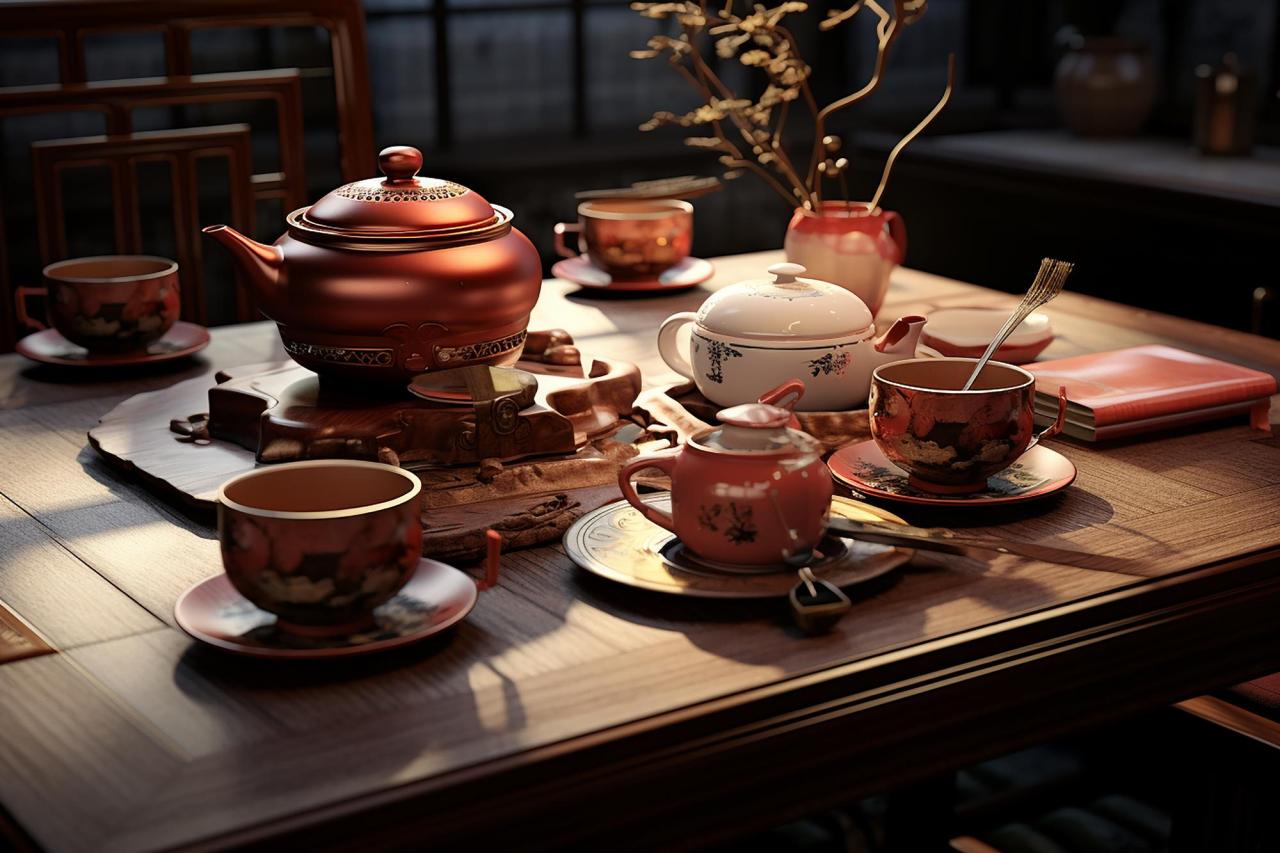
The Japanese succulent pot aesthetic hinges on meticulous presentation. Careful consideration of space, lighting, and display environment elevates the minimalist beauty of the plants and pots. A thoughtfully curated setting maximizes the visual impact and enhances the overall tranquility and elegance of the aesthetic.Effective display translates to a harmonious blend of the chosen succulents and their surroundings. The space should not overwhelm the plants but rather provide a backdrop that accentuates their unique characteristics.
Location Selection
Selecting the ideal location is crucial. Consider natural light sources, proximity to windows, and overall ambiance. A well-lit space with soft, diffused natural light is ideal. East-facing windows, for instance, provide morning light, while south-facing windows offer more intense, midday sun. The location should also complement the overall design of the room or area.
A tranquil corner, a stylish shelf, or even a dedicated display area can all contribute to the visual appeal.
Lighting Conditions
Adequate lighting is paramount for healthy succulent growth and optimal aesthetic presentation. Direct sunlight, while beneficial for some succulents, can be detrimental to others. The specific needs of each plant species should be carefully considered. Overexposure can lead to sunburn and leaf damage, diminishing the aesthetic quality. Strategic use of indirect sunlight, combined with supplemental artificial lighting where needed, can provide the perfect balance.
Using sheer curtains or strategically placed screens can soften direct sunlight and provide the ideal environment. Artificial light sources, like LED grow lights, can effectively supplement natural light, ensuring the plants thrive in any setting.
Display Scenarios
Different display scenarios can showcase the aesthetic’s versatility. A minimalist arrangement on a single shelf with a few carefully chosen pots can create a tranquil focal point. A cascading display, featuring pots of varying heights and textures, adds a dynamic element. A grouping of pots arranged around a central element, like a low table or a decorative stone, can create a visually engaging centerpiece.
Consider a layered display, using different heights and depths of containers to draw the eye upwards and outwards, showcasing the full potential of the succulent’s beauty.
Space Optimization
Optimizing space maximizes the aesthetic impact. Vertical displays, using shelves or wall-mounted planters, make the most of vertical space. Strategic grouping of pots, using varying heights and shapes, creates depth and visual interest. Layered displays, placing pots of varying sizes and styles on top of each other, provide visual depth. The strategic use of mirrors can amplify the available space and reflect the light, making the display appear larger and more impactful.
Combining multiple display elements, such as using a combination of shelves, tables, and wall displays, allows for a more dynamic and engaging presentation.
Cultural Significance
The Japanese succulent pot aesthetic, rooted in centuries of artistic tradition, imbues nature with symbolic meaning, shaping the arrangement and selection of plants and materials. This deep connection between nature and the aesthetic informs the design principles, reflecting a philosophical appreciation for simplicity, harmony, and the beauty of impermanence.The aesthetic finds echoes in historical Japanese art forms, particularly in the meticulous detail of gardens and the symbolic language of flower arrangements.
Contemporary interpretations adapt these traditions to modern contexts, creating a uniquely personal and expressive style.
Connection to Japanese Aesthetics
Japanese aesthetics, often categorized under the umbrella term “侘び寂び (wabi-sabi),” embrace the beauty of imperfection, impermanence, and the natural world. This philosophy permeates the succulent pot aesthetic, where the natural variations in plant forms and the inherent fragility of succulents are celebrated. The muted color palettes and minimalist designs are reflections of this aesthetic, aiming to evoke a sense of tranquility and contemplation.
Historical Parallels
The practice of cultivating and arranging plants in Japan dates back centuries, with significant influence from Zen Buddhist principles. Traditional Japanese gardens, meticulously designed to represent natural landscapes in miniature, demonstrate a profound respect for nature’s intricate beauty. Ikebana, the art of flower arrangement, also emphasizes the symbolic meanings of different flowers and their arrangement. These historical examples showcase the enduring connection between Japanese culture and the appreciation of nature’s artistry.
Symbolic Meanings of Design Elements
The selection of succulent varieties and their arrangement within the pots holds symbolic value. Certain succulents, like the echeveria, might represent resilience and enduring beauty, while others, with their unique forms, could evoke a sense of serenity or tranquility. The use of natural materials, such as wood and stone, connects the piece to the earth and reinforces the sense of natural harmony.
The arrangement of the plants and the shape of the pot also carry symbolic weight, representing the flow of energy and the natural cycle of life and death.
Contemporary Interpretations
Contemporary interpretations of this aesthetic are increasingly diverse, incorporating global influences and individual styles. The minimalist approach of the aesthetic can be adapted to suit a wide range of settings, from modern apartments to traditional homes. This flexibility allows for personal expression while maintaining the core principles of harmony, simplicity, and appreciation for the natural world. The emphasis on sustainability and the use of eco-friendly materials further exemplifies the contemporary relevance of this aesthetic.
Modern Interpretations
The Japanese succulent pot aesthetic, rooted in traditional principles of minimalism and nature appreciation, is undergoing a vibrant evolution in contemporary settings. Designers are reimagining this aesthetic, drawing inspiration from current trends in modern design while retaining the core principles of simplicity and visual harmony. This adaptation is not a departure from the original, but rather a sophisticated reinterpretation that resonates with contemporary sensibilities.Contemporary design trends are influencing the incorporation of sleek lines, innovative materials, and a focus on functionality, while still maintaining the delicate balance of the original aesthetic.
This fusion allows for a wider range of application in diverse settings, from minimalist urban apartments to modern homes seeking a connection with nature.
Contemporary Material Adaptations
The use of materials is a key element in adapting the traditional aesthetic to contemporary settings. Modern interpretations often integrate new materials like polished concrete, sleek metals, and transparent glass, while still maintaining the warmth and natural feel through the use of wood and stone. This juxtaposition of modern and natural elements creates a visually captivating contrast. The use of recycled or reclaimed materials is increasingly common, aligning with sustainability trends and further enhancing the aesthetic’s unique character.
For example, reclaimed wood accents in a succulent display can provide a rustic, industrial feel that complements a modern interior.
Modern Design Influences
Modern design trends have significantly influenced the aesthetic. The emphasis on clean lines, geometric shapes, and open spaces allows for the succulents to be the focal point of the design, without being overwhelmed by elaborate structures. The use of modular shelving systems and floating shelves allows for a more flexible and adaptable display, enabling the user to rearrange and adjust the layout as needed.
This reflects a shift towards functionality and adaptability in design, a key characteristic of modern aesthetics. For example, a series of minimalist, geometrically-shaped ceramic pots on a floating shelf can create a modern and impactful display.
Consistent Key Elements
Despite the adaptations, key elements of the Japanese succulent pot aesthetic remain consistent. The focus on minimalism, natural elements, and the creation of a calm and serene atmosphere remains central. The selection of plants, their arrangement, and the overall color palette continue to emphasize the beauty of nature’s subtle artistry. These core values remain steadfast, despite the integration of contemporary design influences.
For example, the use of neutral color palettes like beige, grey, and white, combined with warm wood tones, is a consistent element that is often seen in modern interpretations.
Examples of Modern Interpretations
Modern interpretations of the Japanese succulent pot aesthetic can be seen in various settings. For example, a modern apartment might feature a minimalist, glass-fronted display cabinet filled with succulents arranged in geometric patterns, utilizing both traditional and contemporary materials like polished concrete bases for the pots. Similarly, a modern home office could incorporate a vertical succulent garden on a sleek, metal shelving unit, demonstrating the aesthetic’s adaptability to diverse spaces.
Another example might be a series of small, geometric ceramic pots, varying in shades of grey and white, arranged on a wooden shelf, showcasing the balance between traditional and contemporary design.
Inspiration and Ideas
The Japanese succulent pot aesthetic draws inspiration from centuries of meticulously cultivated gardens and minimalist design principles. This aesthetic offers a unique opportunity to create tranquil and visually appealing spaces. Blending nature’s artistry with sophisticated design elements, it fosters a sense of calm and appreciation for the beauty of both the natural and crafted world.This section explores the wealth of inspirational imagery and creative implementations of this aesthetic.
From minimalist displays to elaborate arrangements, the examples highlight the diverse possibilities for expressing the aesthetic’s essence.
Visual Inspirations
This aesthetic thrives on visual harmony, drawing inspiration from traditional Japanese gardens, minimalist design, and the delicate beauty of succulents. Images featuring carefully curated arrangements of succulents in handcrafted pottery, often complemented by carefully selected accessories, serve as excellent examples.
- Traditional Japanese Garden Influence: Images often depict arrangements resembling miniature landscapes, with succulents representing elements like rocks, moss, and water features. The arrangement emphasizes natural forms and color palettes. One example might show a small, meticulously designed arrangement with a variety of succulents in varying shades of green, arranged on a wooden tray with miniature gravel to mimic a dry riverbed.
This reflects the Japanese aesthetic’s emphasis on creating miniature, self-contained ecosystems.
- Minimalist Displays: Images showcasing succulents in simple, unadorned pots against a backdrop of natural light are common. This style emphasizes the inherent beauty of the plants, highlighting their unique textures and shapes. A notable example would feature a single, large succulent in a simple, glazed ceramic pot, placed on a wooden shelf. The emphasis is on the plant’s elegance and the pot’s understated beauty, with minimal other elements in the image.
- Elaborate Arrangements: Images sometimes feature intricate arrangements incorporating multiple succulent varieties and differing pottery styles. This approach demonstrates a mastery of composition and visual balance. An example could be a large display of various succulents, each in a unique pot, arranged to create a layered effect and showcasing the subtle differences in plant types and pot colors. This often utilizes diverse textures and patterns in the pot designs to add depth and visual interest.
Creative Implementation Examples
Beyond simply arranging plants, the aesthetic offers opportunities for creative implementations.
- Vertical Gardens: Utilizing vertical space for succulent displays, using tiered shelves or wall-mounted planters, is a modern take on the concept of a Japanese garden. This style creates a visually striking and compact display. For example, a series of terracotta pots of varying sizes and heights, each containing a different succulent variety, arranged vertically on a wall, creating a miniature, green vertical garden.
- Terrariums: Incorporating terrariums allows for a contained, self-sufficient ecosystem mirroring miniature landscapes. Succulents and other small plants can be placed in glass terrariums, creating a closed-off miniature garden, enhancing the tranquil nature of the aesthetic. For example, a small glass terrarium with succulents, moss, and small stones to represent a natural landscape.
- Integrating Accessories: Combining succulents with accessories like handcrafted ceramic pots, natural wood trays, or decorative stones adds depth and richness to the design. For instance, a collection of succulents in various sizes, positioned on a wooden tray with small, decorative river stones and a few hand-painted ceramic figurines.
Maintenance and Care
Cultivating the Japanese succulent pot aesthetic demands meticulous care to maintain the plants’ vibrant health and the containers’ pristine presentation. Neglect can quickly diminish the visual appeal, turning the meticulously crafted display into a neglected collection. Thorough attention to watering, cleaning, pest prevention, and long-term care are paramount for enduring success.Maintaining the aesthetic’s vibrancy hinges on consistent attention to detail.
The delicate balance between the succulent’s needs and the container’s presentation requires a delicate touch. This section details the critical steps for nurturing your collection and preserving its allure.
Watering Techniques
Proper watering is crucial for succulent health. Overwatering can lead to root rot, while underwatering can cause wilting and stress. Succulents store water in their leaves and stems, meaning they don’t require frequent watering. Observe the soil moisture level before each watering. Allow the top inch of soil to dry completely before replenishing.
Use a well-draining potting mix, and ensure the pot has adequate drainage holes to prevent waterlogging. Water thoroughly until water drains from the bottom, then allow excess water to completely drain away.
Pot Cleaning
Maintaining the pristine appearance of the pots is just as vital as the plant care. Regular cleaning prevents the buildup of dirt and debris, which can detract from the aesthetic. Use a soft brush or cloth to gently remove dust and grime. For stubborn stains, a mild dish soap solution and a soft cloth can be effective.
Avoid harsh chemicals or abrasive materials that could damage the pot’s surface. Thoroughly rinse the pot and allow it to air dry completely before returning the succulent.
Pest Prevention
Preventing pest infestations is essential for long-term health. Regular inspection for pests, such as mealybugs, aphids, or spider mites, is key. Look for signs like sticky residue, webbing, or small insects on the plants. Use insecticidal soap or neem oil as a preventative measure, or for early infestations. Maintain good air circulation around the plants to minimize the risk of infestations.
Isolate any affected plants to prevent the spread of pests.
Long-Term Care
Long-term care involves more than just watering and cleaning. Regularly check for signs of stress, such as discoloration or leaf drop. Ensure adequate sunlight exposure, which is crucial for the succulent’s health and vibrant color. Repotting may be necessary every few years, depending on the plant’s growth rate and the pot size. Use a well-draining potting mix that is specifically formulated for succulents.
As plants mature, their needs may change, so adapt your care accordingly. A consistent schedule for maintenance will ensure the health and beauty of your Japanese succulent collection.
Closing Notes
In conclusion, the Japanese succulent pot aesthetic offers a captivating fusion of natural beauty and minimalist design. By understanding the historical context, design principles, and plant selection strategies, one can cultivate a serene and visually compelling display. This style invites us to appreciate the subtle artistry in nature’s details, fostering a deeper connection with both the plants and the Japanese aesthetic traditions that inform this approach.
